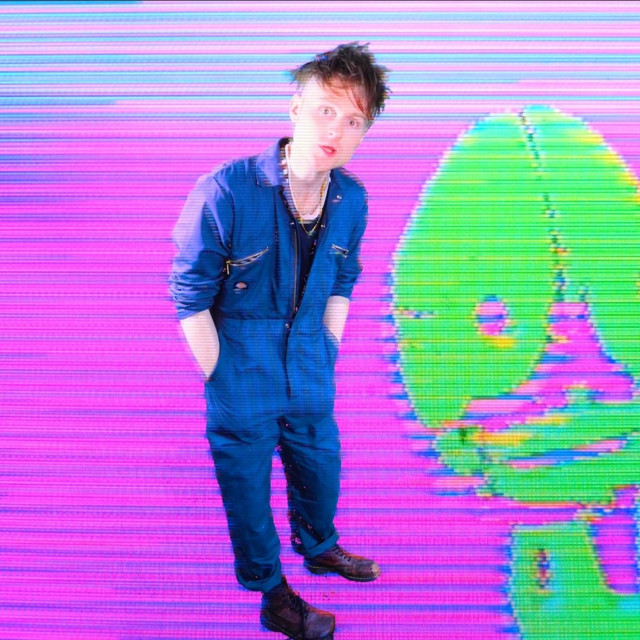
The United Kingdom has consistently sought to find its winning formula for the Eurovision Song Contest. For 2026, a truly audacious and distinctly modern strategy appears to be in play. The BBC has announced that the UK will be represented by electronic music artist, tech creator, and YouTube sensation, Look Mum No Computer. This decision signals a decisive move away from conventional pop, opting instead for a vibrant, synthesized spectacle that promises to be anything but ordinary. With the 70th edition of the beloved contest set to electrify Vienna, the choice of Look Mum No Computer to carry the flag for the UK is not just a pick; it's a statement.
Known for his inventive musical machines and captivating online presence, Look Mum No Computer, whose real name is Sam Battle, embodies a fusion of creativity, engineering, and raw musical talent. His journey from indie rock frontman to a pioneering electronic artist and now a Eurovision hopeful is a testament to the UK's desire to showcase genuine innovation on the international stage. This isn't just about a UK's Eurovision Anthem: A Wild Blend of Blur, Basshunter, and Synths; it's about the entire artistic package.
Who is Look Mum No Computer (Sam Battle)?
At the heart of the UK's 2026 Eurovision bid is Sam Battle, the innovative mind behind the moniker Look Mum No Computer. A multi-faceted artist, Battle first made waves in the music scene as the energetic frontman of indie rock band Zibra, even gracing the iconic Glastonbury stage in 2015 via BBC Introducing. Since then, he has meticulously carved out a unique niche as a solo artist, songwriter, and most notably, an inventor of extraordinary, often whimsical, musical machines. His YouTube channel showcases his ingenious creations, ranging from a custom-built synth played with a Game Boy to a terrifying but melodious "Furby Organ" – instruments that blend circuit-bending with artistic expression.
Battle's deep-rooted passion for Eurovision is palpable. Expressing his excitement, he stated, "I find it completely bonkers to be jumping on this wonderful and wild journey. I have always been a massive Eurovision fan, and I love the magical joy it brings to millions of people every year, so getting to join that legacy and fly the flag for the UK is an absolute honour that I am taking very seriously." This personal connection isn't just PR; it highlights an artist genuinely invested in the spirit and spectacle of the contest. His commitment to bringing "every ounce of my creativity" to his performances and ensuring "Eurovision is ready to get synthesized!" underscores a vision that extends far beyond a typical pop performance. His selection signifies a bold embracing of an artist who is not only a performer but a genuine creator, promising a visually and sonically unique experience in Vienna. From Unique Machines to Vienna: Look Mum No Computer's Eurovision Quest is truly taking shape.
The BBC's Bold Vision: Why Look Mum No Computer?
The BBC's internal selection process, guided by industry experts, has historically been a point of scrutiny for UK Eurovision fans. However, the choice of Look Mum No Computer for 2026 feels like a deliberate and courageous pivot. Kalpna Patel-Knight, head of entertainment at the BBC, articulated the rationale behind this unconventional pick: "His bold vision, unique sound and electric performance style make him a truly unforgettable artist." This statement suggests a clear intent to move beyond "safe" or "middle-of-the-road" entries that have often characterized the UK's past efforts, a sentiment echoed by BBC Radio 2 DJ Scott Mills, who noted the UK's past criticism for playing it safe.
Look Mum No Computer's artistry, steeped in electronic innovation and a playful yet profound engagement with technology, aligns perfectly with the qualities the BBC aims to celebrate on the Eurovision stage: "creativity, ambition, and a distinctly British wit." In an era where Eurovision increasingly rewards authenticity and distinctiveness, Battle's unique blend of invention and performance offers a compelling narrative. His background as a YouTuber building bizarre instruments provides a visual spectacle ripe for the Eurovision stage, potentially captivating audiences with both sound and sight. This choice is a calculated gamble, but one that could pay significant dividends by delivering an entry that is genuinely memorable and stands out in a crowded field, injecting much-needed excitement and originality into the UK's Eurovision presence.
Unpacking the UK's Eurovision Song: A Synthesized Spectacle
While the highly anticipated Look Mum No Computer Eurovision Song remains under wraps, early hints from those who have heard it promise an electrifying and eclectic experience. BBC Radio 2 DJ Scott Mills, a seasoned Eurovision commentator, offered a tantalizing glimpse into what to expect, suggesting the song will be a radical departure from anything the UK has offered recently. His description paints a vivid picture: "From just one listen, I want you to imagine a bit of Basshunter's Now You're Gone and then put a bit of Parklife [by] Blur in there, and maybe you would add in a bit of West End Girls [by] Pet Shop Boys, maybe the synths of The Human League. Sprinkle a bit of Verka Serduchka in there. Maybe just a tiny bit of Sex Pistols."
This mosaic of influences is nothing short of fascinating. The mention of Basshunter points to infectious, driving electronic beats; Blur's 'Parklife' suggests a quintessential British narrative or swagger; Pet Shop Boys and The Human League signal classic, sophisticated synth-pop; Verka Serduchka hints at camp, theatricality, and a touch of joyous chaos; and the Sex Pistols? That injects an element of rebellious energy, possibly a raw, punk edge beneath the polished synths. Taken together, these influences suggest that the Look Mum No Computer Eurovision Song will be an anthemic, multi-layered track designed to resonate across diverse tastes, from dancefloor enthusiasts to indie aficionados, and even those who appreciate a subversive twist. It promises a "big anthem" that will be "singing in that arena." The song is expected to receive its first radio play on Scott Mills's Radio 2 breakfast show in the coming weeks, an event that will undoubtedly generate immense buzz. This unique blend signifies the UK's commitment to delivering a truly synthesized, unforgettable entry.
The Road to Vienna: Expectations and Impact
The 70th Eurovision Song Contest, set against the backdrop of Vienna, Austria, after JJ's victory last year, offers a significant platform for the UK to re-establish itself as a serious contender. The selection of Look Mum No Computer is not merely a choice of artist; it's a strategic embrace of originality and a deliberate attempt to break away from a pattern of underperformance. In a competition increasingly dominated by unique artistic expressions and powerful visual storytelling, Battle's distinctive approach—melding inventive technology with electronic soundscapes—provides the UK with a genuine opportunity to stand out.
The impact of this bold decision could be twofold. Firstly, it offers a refreshing change for long-suffering UK fans, promising an entry that prioritizes creativity and authenticity over perceived commercial appeal. Secondly, it sends a clear message to the international audience that the UK is willing to take risks and present something truly different. For an entry to succeed at Eurovision, it typically needs a strong, memorable song, an engaging performer, a compelling narrative, and an unforgettable stage show. Look Mum No Computer, with his "bold vision" and inventive spirit, appears to tick all these boxes. His ability to create unique musical machines could translate into a visually spectacular stage production that enhances the UK's Eurovision Anthem: A Wild Blend of Blur, Basshunter, and Synths, ensuring that the performance itself becomes a talking point. This year, the UK isn't just sending a singer; it's sending an experience.
The UK's decision to send Look Mum No Computer to Eurovision 2026 in Vienna is a thrilling and audacious move that embodies a renewed spirit of creativity and ambition. With his unique blend of electronic artistry, mechanical inventiveness, and undeniable passion for the contest, Sam Battle is poised to deliver a performance unlike any other. The anticipated Look Mum No Computer Eurovision Song, hinted to be a wild concoction of iconic British sounds and international electronic influences, promises to be an anthemic, synthesized spectacle. As the countdown to Vienna begins, the UK stands ready to embrace the "bonkers" journey, hoping that this bold, synthesized choice will not only captivate audiences but also bring well-deserved success to the nation.